
7 Courses
Semester Two
ACDT 127 Information Communication Technology II
The course is a continuation of ACDT 117 and focuses on computer, mobile computing, and multimedia design production.
It further expands on the use of key applications such as spreadsheets, databases, presentation, graphics and web design software. Aside from the traditional computer-based technologies such as those related to standard office applications, aspects of digital communication (internal networks) would be introduced. Topics that deal with the way ICT is used and managed in an organization will be covered: such as, the meaning and value of information, how information is controlled, the limitations of ICT and legal considerations.
Semester Two
ACDT 126 Communication Skills II
This course provides students with the knowledge
and skills to communicate professionally on many levels including writing;
speaking, conducting meetings, giving presentations and interpersonal dialogues
and using electronic media.
Semester Two
ACDT 125 Introduction to Computer Aided Design
This course introduces students to 3D modelling
as an innovative approach to the visualization process and how Computer Aided
Design (CAD) is revolutionizing industry and promoting the integration of
computers into the design process.
Semester Two
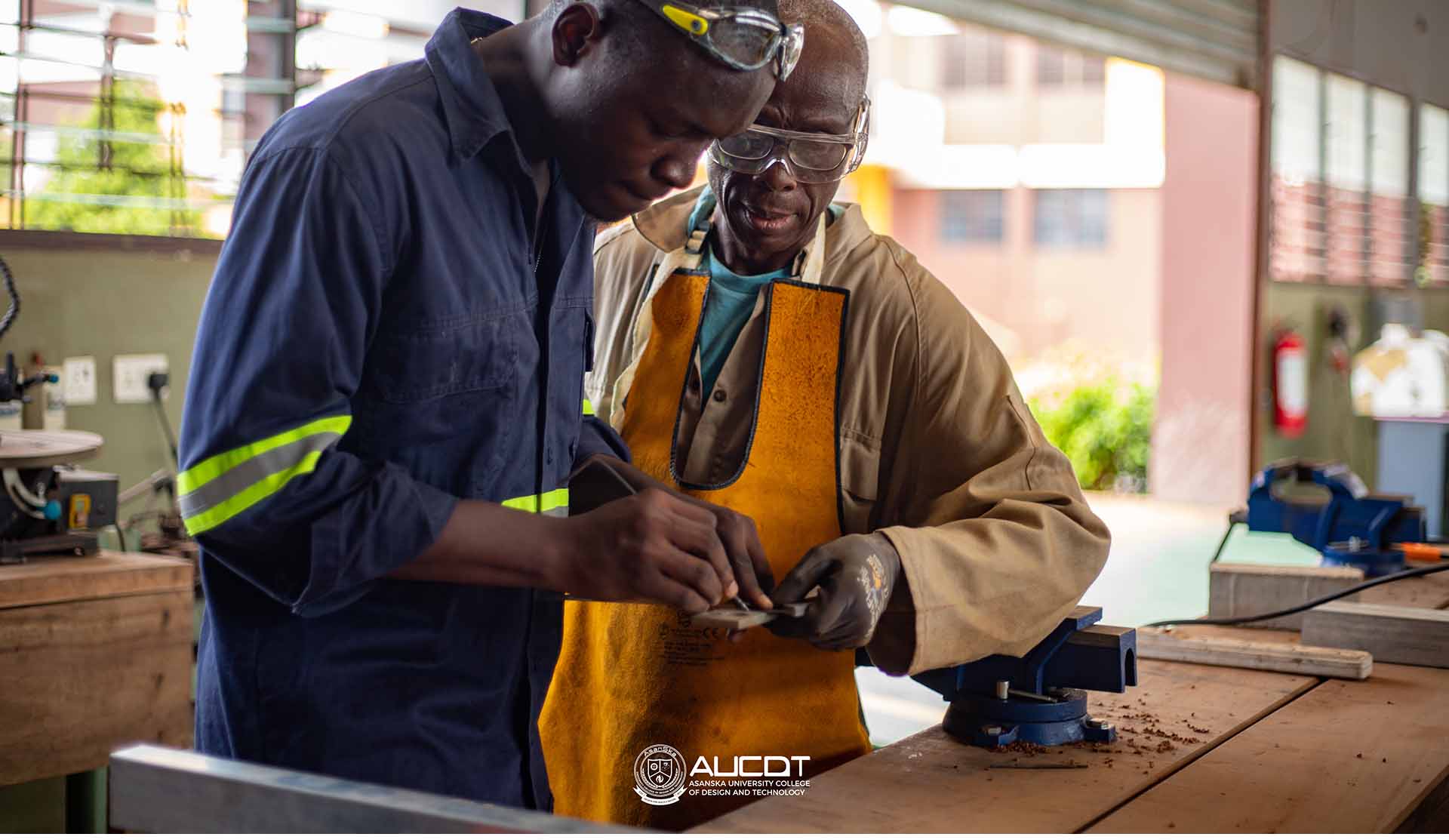
DPD 124 Materials and Processes
This course emphasizes the materials and
processes used in manufacturing. Fundamentals include the properties, structure
and nature of materials for manufactured goods, such as ferrous and nonferrous
metals and alloys, plastics, wood, composites and ceramics, and the selection
of materials for various functions. Such knowledge will help the designer to
avoid ill-conceived pieces, devised to look good in the media but with little
technical integrity.
Semester Two
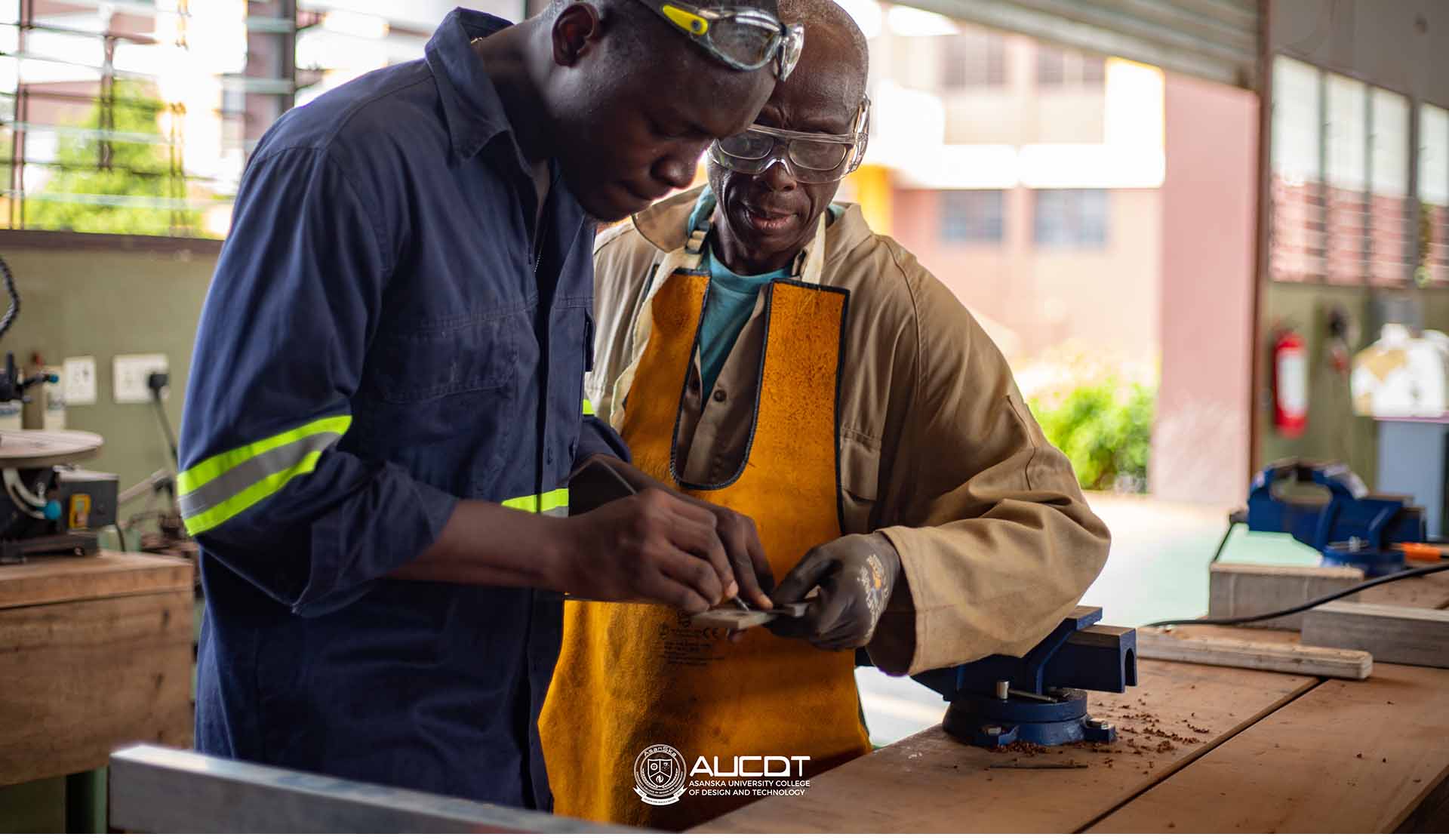
DPD 123 Introduction to Modelling
This course will introduce students to product
design and modelling through the use of computer modelling, rendering and
digital fabrication.
Semester Two
DPD 122 Orthographic and Isometric Projections
This course seeks to introduce students to the
principles of engineering drawing as a parallel projection technique in which
the plane of projection is positioned between the observer and the object and
is perpendicular to the parallel lines of sight. Students will be shown how the
projection technique, also called orthographic projection, can produce either
pictorial drawings that show all three dimensions of an object in one view or Isometrics
that show only two dimensions of an object in a single view.
Semester Two
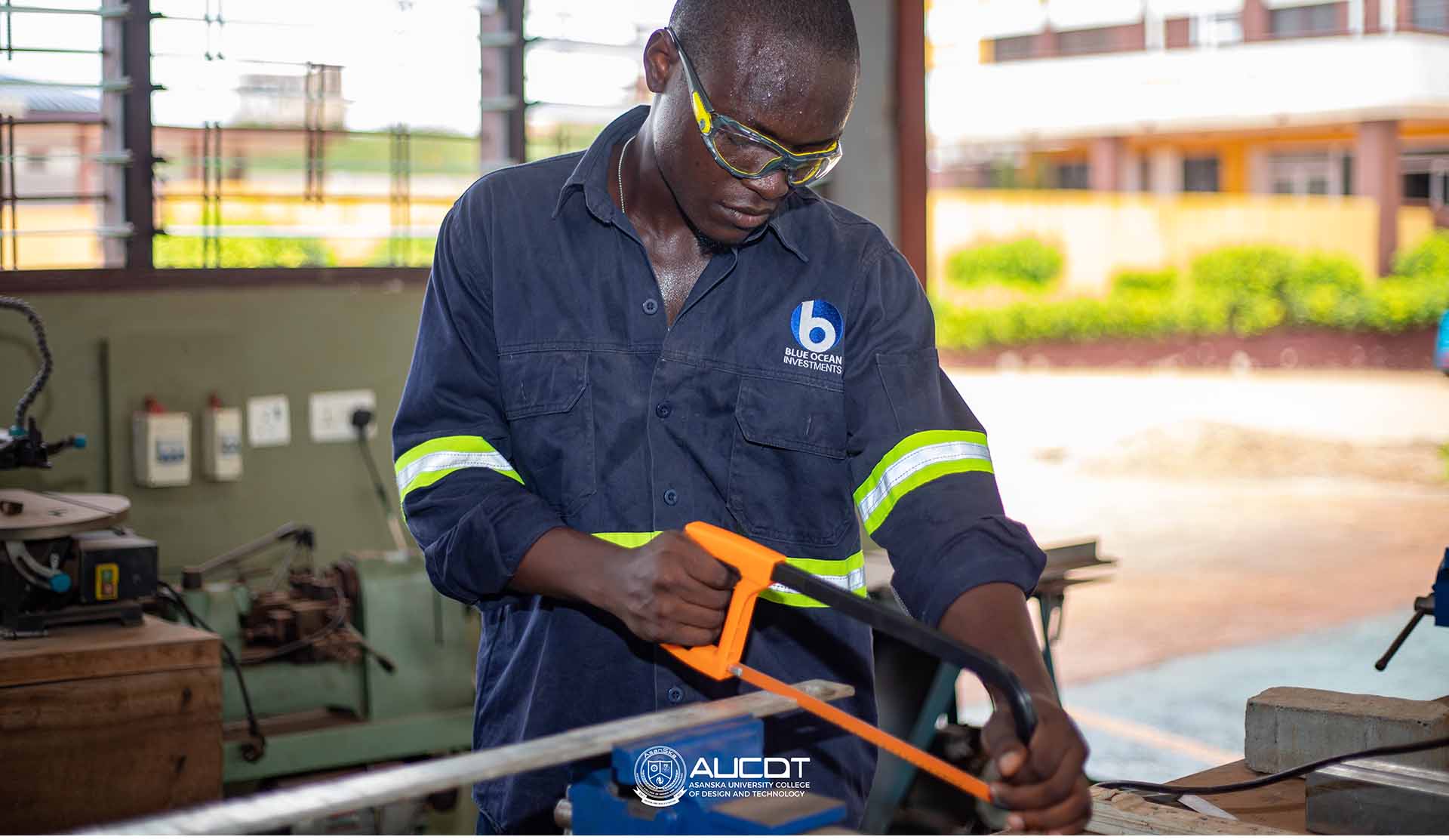
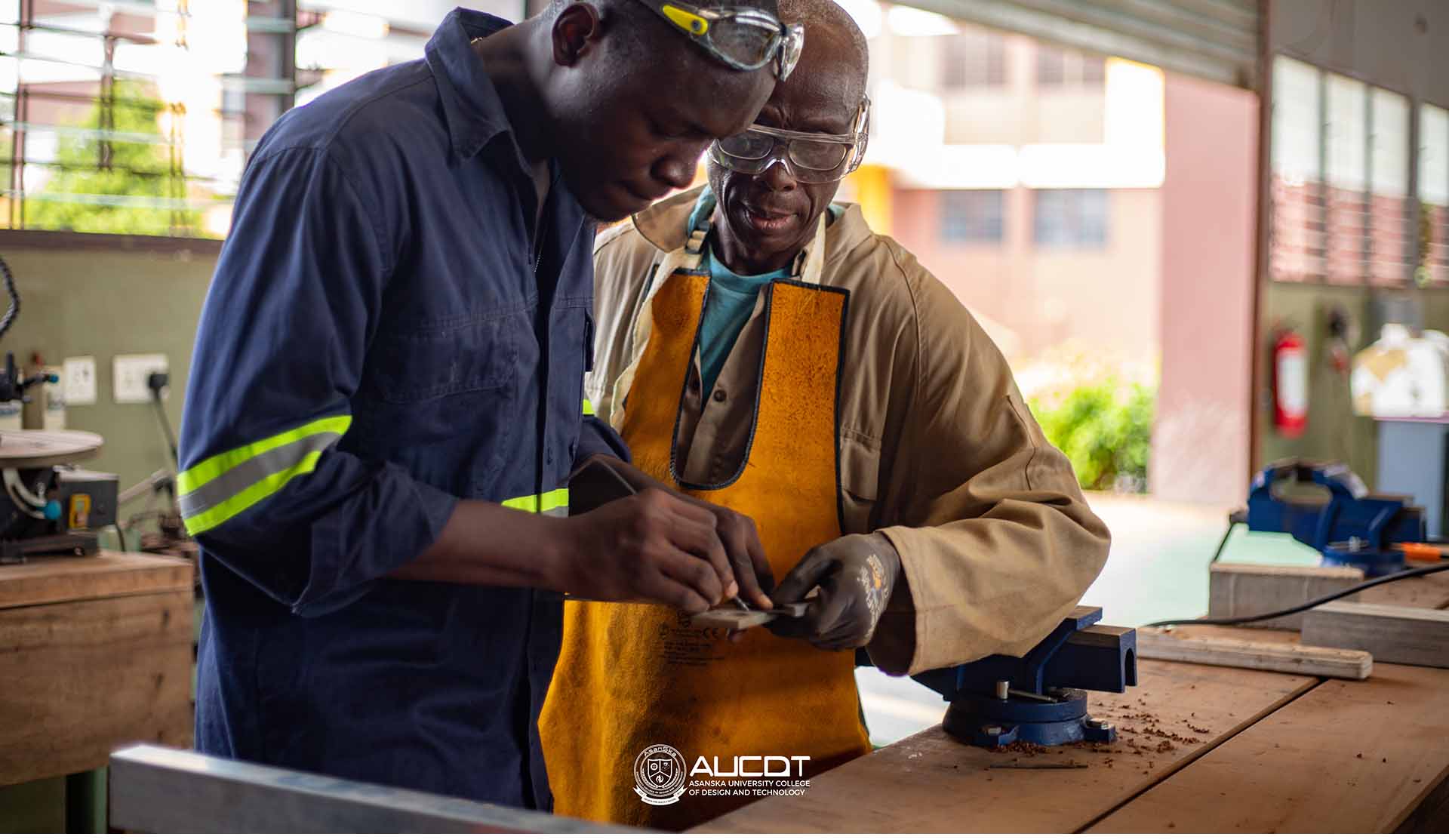
DPD 121 Workshop Practices
This course will seek to introduce students to a
range of tools and equipment used in the making of products.